Food Systems and Climate: How What We Eat Impacts the Planet
- Black Wood Environmental Biedrība

- Apr 15
- 1 min read
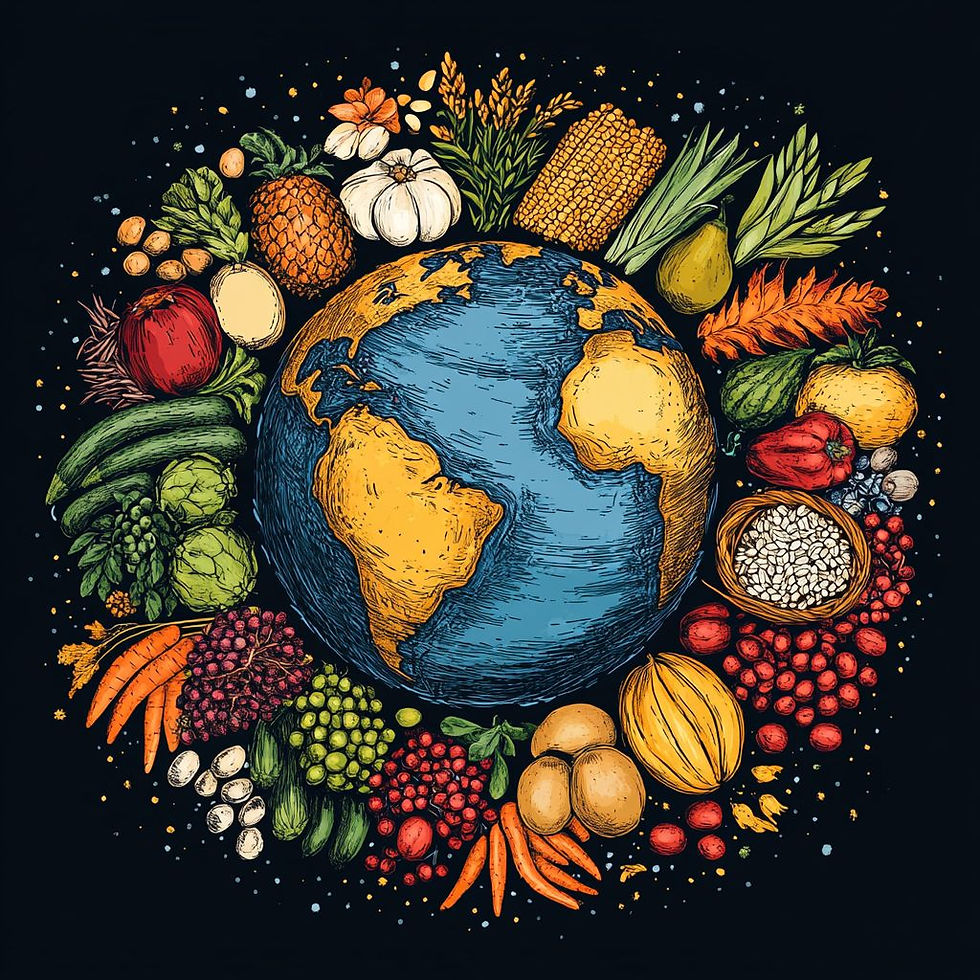
Food systems are closely connected to environmental sustainability, influencing climate change, land use, water consumption, and biodiversity. From production to consumption, every stage of the food chain has an environmental footprint. Understanding this connection is essential for developing more sustainable societies and reducing ecological pressure on the planet.
Agricultural production is one of the most significant contributors to environmental change. Practices such as intensive farming, excessive pesticide use, and deforestation for farmland can lead to soil degradation, water pollution, and loss of biodiversity. At the same time, agriculture is also highly dependent on natural resources, making it vulnerable to the effects of climate change such as droughts and extreme weather conditions.
Food consumption habits also play an important role. High levels of food waste, overconsumption of resource-intensive products, and limited awareness about seasonal or local food choices increase environmental strain. Small changes in daily habits—such as reducing food waste, choosing locally sourced products, and adopting more balanced diets—can collectively have a significant positive impact.
Another key aspect is the need for sustainable food systems that balance productivity with environmental protection. This includes promoting organic farming, supporting regenerative agriculture, and reducing dependency on harmful chemicals. Encouraging more efficient supply chains and responsible production methods helps ensure that food systems remain viable for future generations.
Ultimately, addressing the environmental impact of food requires awareness, education, and collective responsibility. When individuals, producers, and policymakers work together, it becomes possible to build food systems that support both human well-being and ecological balance. A shift toward more conscious consumption is a crucial step in mitigating climate change and protecting natural resources.