A Fair and Ecological Approach to Global Sustainability
- Black Wood Environmental Biedrība

- May 18
- 2 min read

Global sustainability requires more than environmental protection—it also demands fairness, inclusion, and responsibility toward both people and the planet. A fair and ecological approach focuses on balancing environmental needs with social justice, ensuring that sustainability efforts benefit all communities while protecting natural ecosystems for future generations.
At the core of this approach is the idea that environmental problems and social inequalities are deeply interconnected. Climate change, resource depletion, and environmental degradation often affect vulnerable populations the most. Communities with fewer resources are more exposed to pollution, food insecurity, water scarcity, and extreme weather events. Therefore, sustainable solutions must address both ecological protection and social equity at the same time.
Ecological sustainability emphasizes the responsible use of natural resources. This includes reducing waste, protecting biodiversity, using renewable energy, and promoting sustainable agriculture and food systems. However, these actions must be implemented in a way that does not exclude or disadvantage certain groups. A truly sustainable system ensures that everyone has access to clean water, healthy food, safe living conditions, and environmental security.
Fairness in sustainability also involves recognizing historical and economic inequalities. Not all countries or communities have contributed equally to environmental problems, yet many face the most severe consequences. A just approach encourages shared responsibility, international cooperation, and support for communities that are most affected by environmental change.
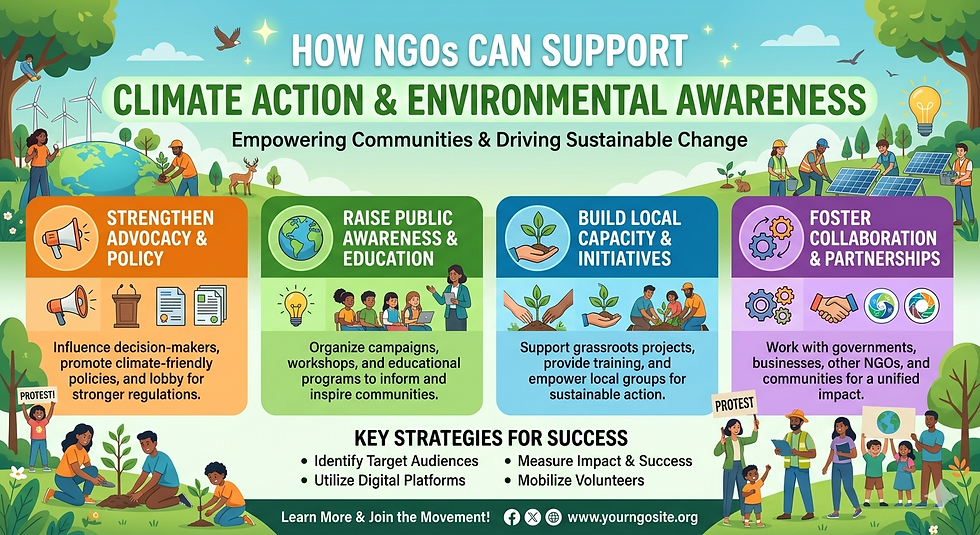
Education plays a key role in building awareness and encouraging fair ecological practices. When individuals understand the link between environmental health and social well-being, they are more likely to support sustainable choices in their daily lives. Schools, NGOs, and community organizations can help promote this understanding through programs, workshops, and local initiatives.
Organizations such as Black Wood Environmental Biedrība contribute to this vision by promoting ecological awareness, sustainable food systems, and community-based environmental action. By combining knowledge, research, and practical initiatives, such organizations help bridge the gap between environmental responsibility and social equity.
A fair and ecological approach to global sustainability ultimately requires cooperation at all levels—individuals, communities, governments, and international organizations. When sustainability is approached through both an environmental and social lens, it becomes more effective, inclusive, and long-lasting.
Protecting the planet is inseparable from protecting people. A sustainable future can only be achieved when ecological balance and fairness are pursued together.